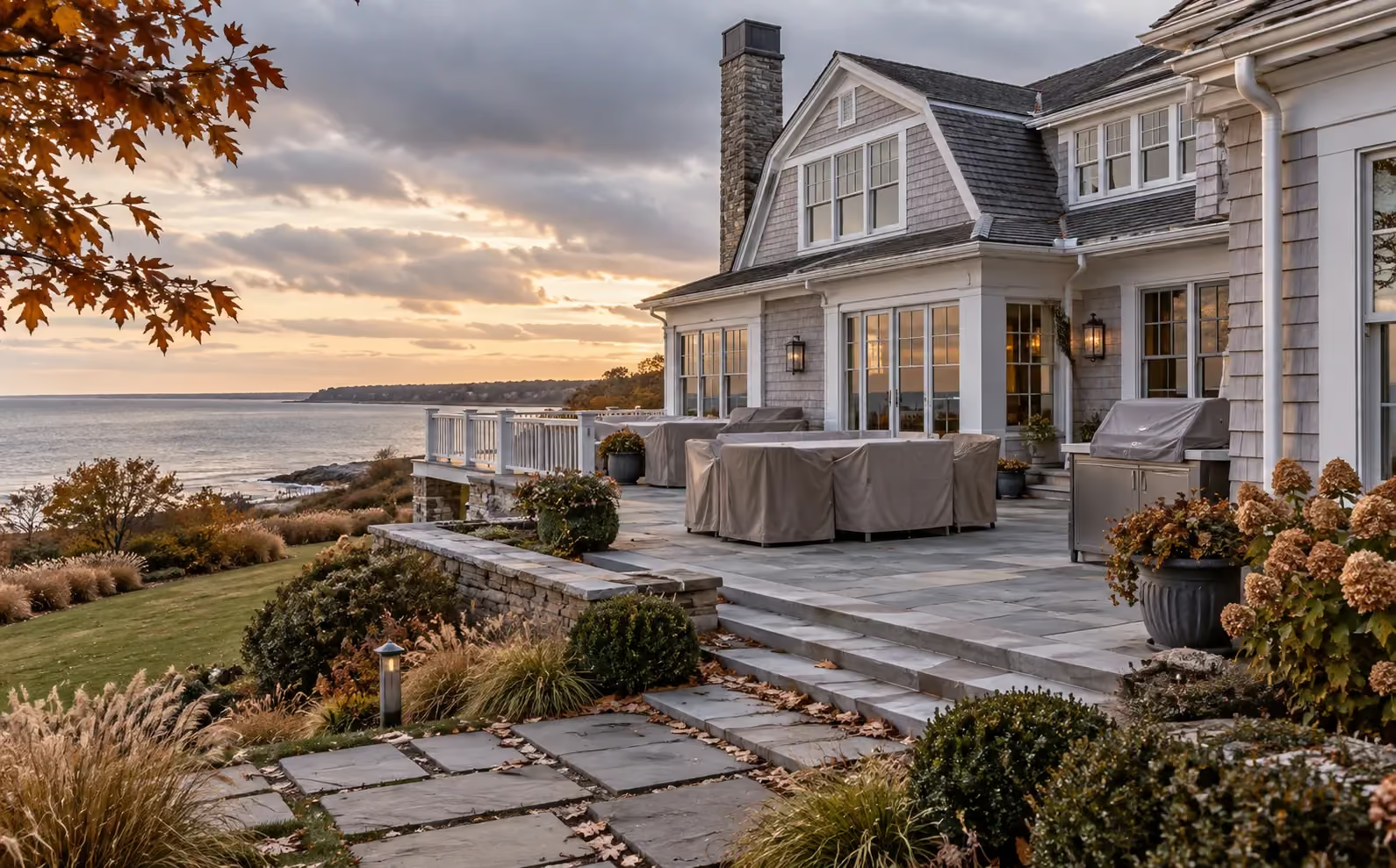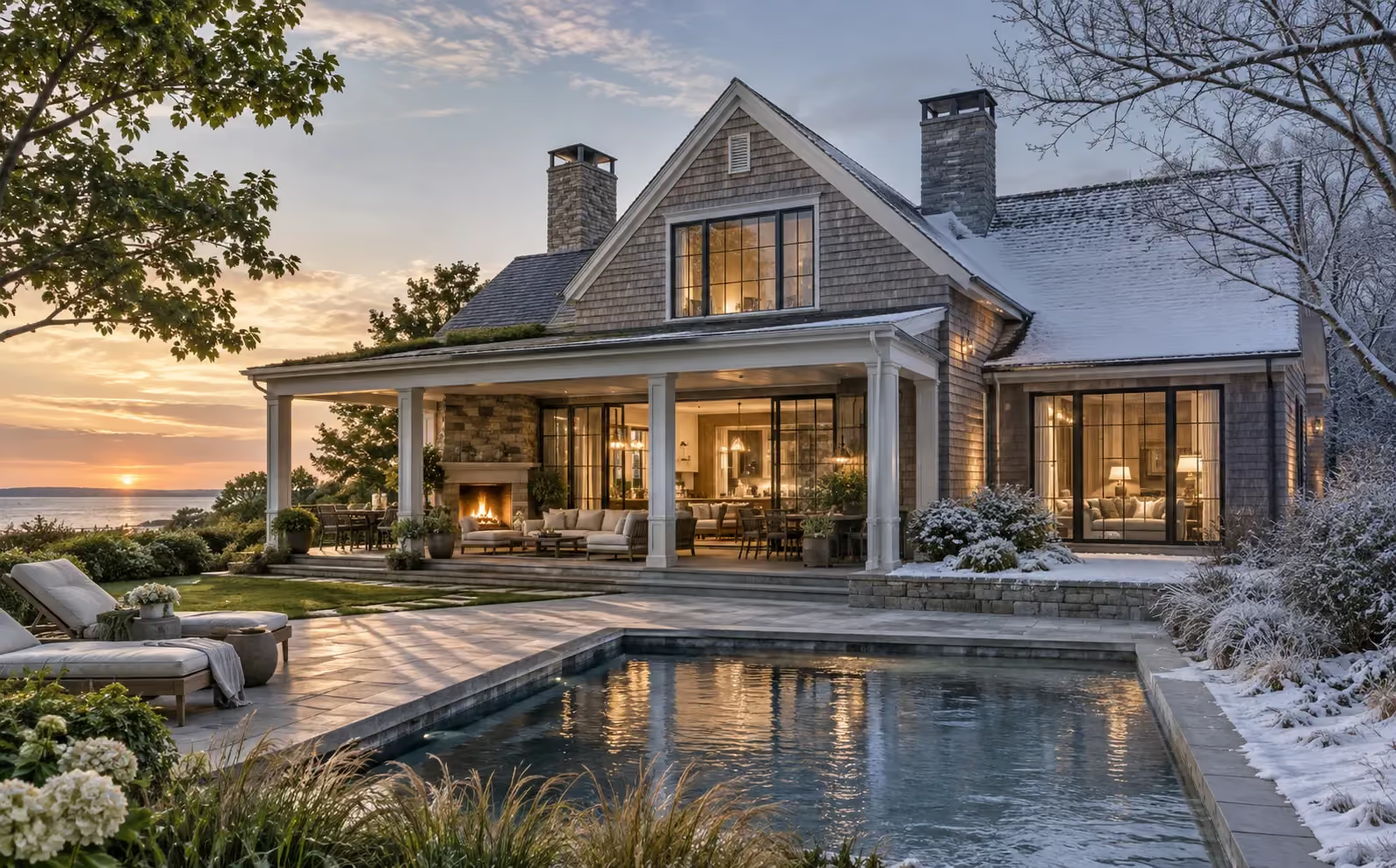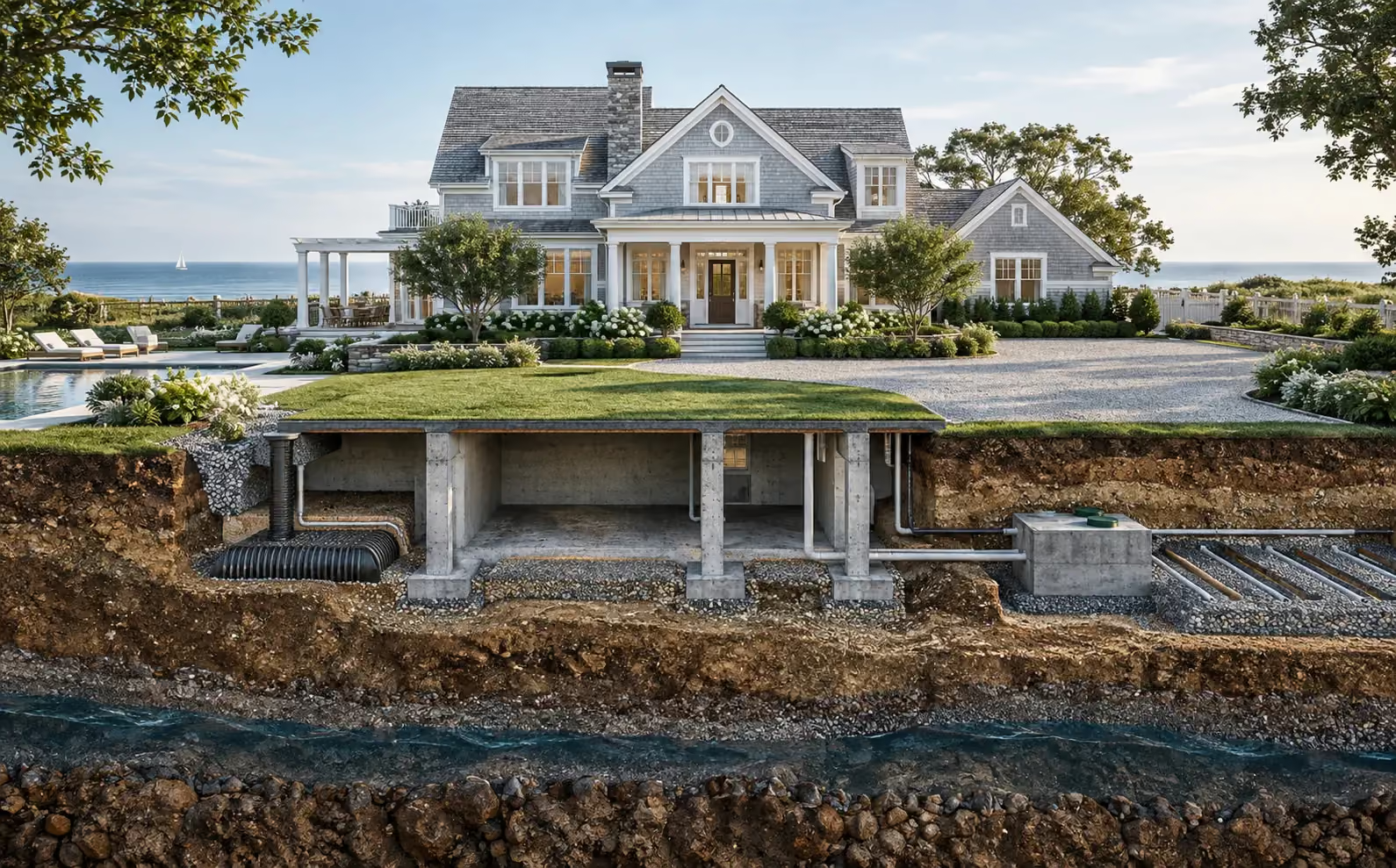


Building a custom home is one of the most significant investments a homeowner can make, especially in a high-value market like the Hamptons. While it's important to create a home that meets your needs today, it's equally important to think about how that home will perform decades from now. Future-proofing a home means designing and building with longevity, flexibility, and durability in mind. Working with experts in Custom Homes & Major Builds helps ensure your property is prepared for changing lifestyles, evolving technology, and the unique environmental conditions of the East End.
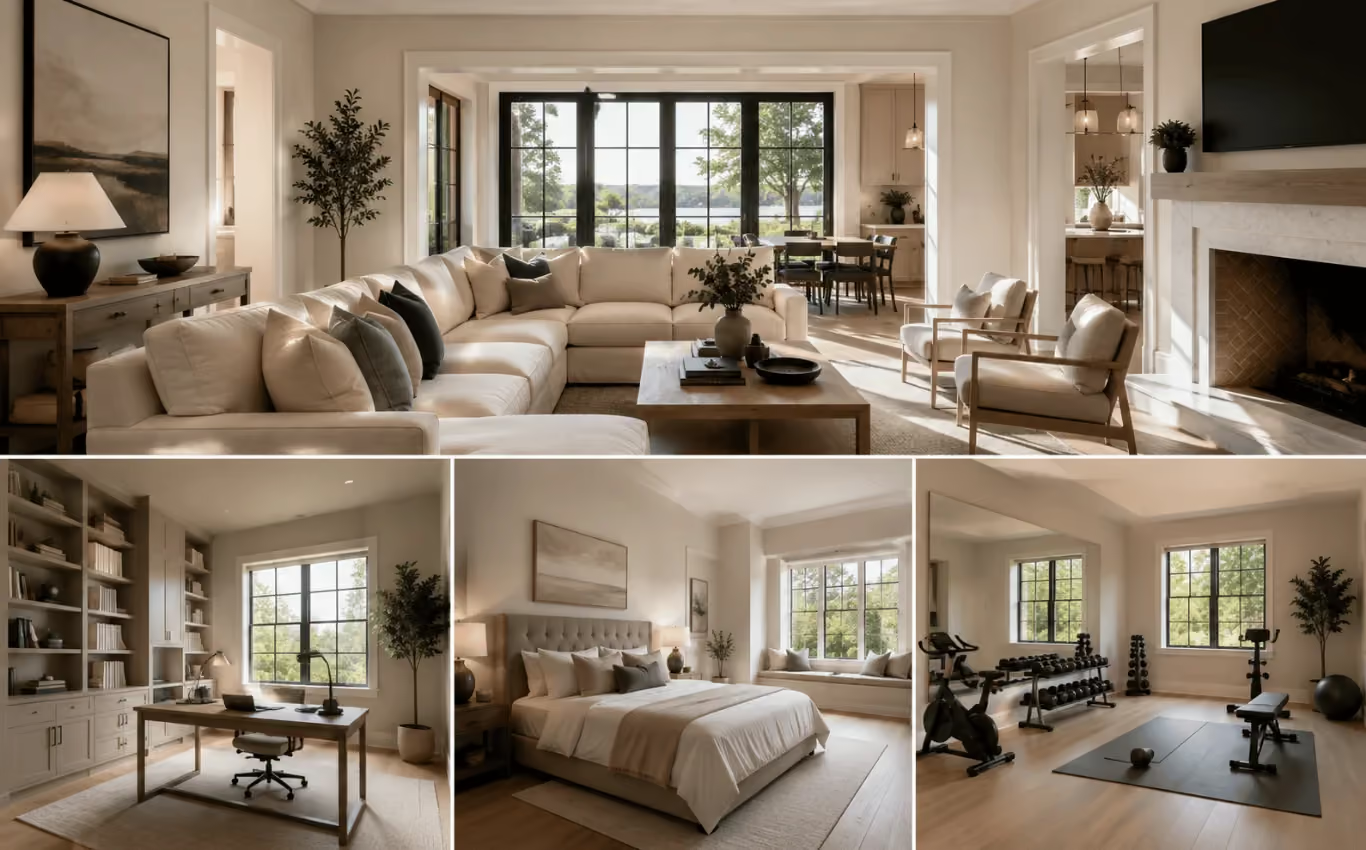
A custom home should evolve with its owners rather than become outdated as needs change. Thoughtful planning today can prevent costly renovations in the future.
Families grow, lifestyles change, and priorities shift over time. Creating flexible spaces allows homeowners to adapt rooms for different purposes without major structural changes. A home office today may become a guest suite tomorrow, while a playroom may eventually transform into a media room or fitness space.
Many homeowners are choosing to build homes that remain comfortable and functional as they age. Wider hallways, accessible bathrooms, and first-floor living spaces can provide long-term convenience without sacrificing design quality.
Design trends come and go, but quality architecture remains timeless.
This approach ensures your investment continues to feel relevant for decades.
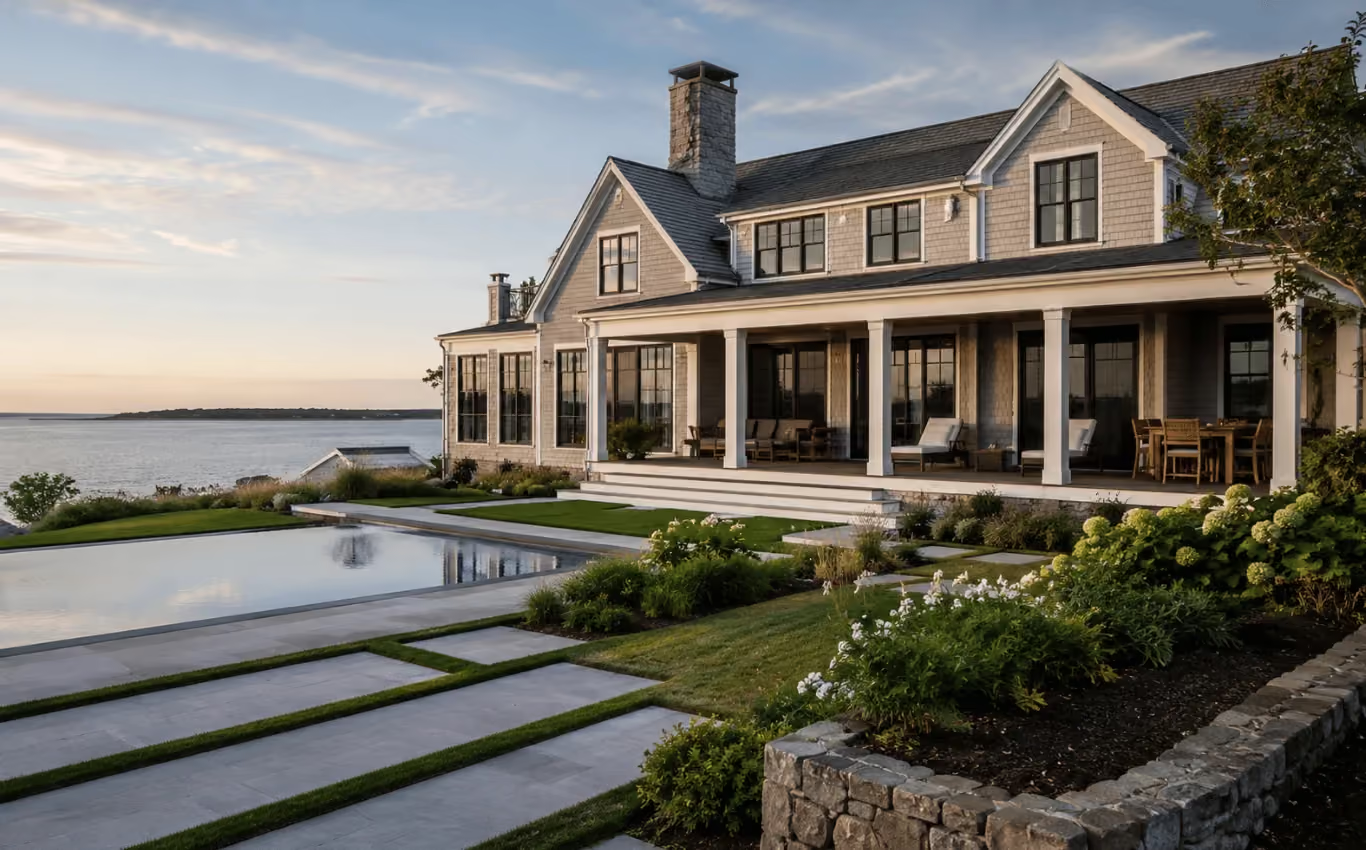
The coastal environment of the Hamptons presents unique challenges that require careful consideration during construction.
Salt air, moisture, and seasonal weather fluctuations can accelerate wear on building materials. Selecting durable products from the start helps reduce maintenance needs and extends the lifespan of the home.
This is especially important when creating High-End Homes on the East End, where quality and longevity are expected.
Energy costs and sustainability standards continue to evolve. Building with efficient systems today helps homeowners reduce long-term operating costs while improving comfort.
Features may include:
Future-focused efficiency benefits both the homeowner and the environment.
Coastal storms and changing weather patterns require homes that can withstand challenging conditions. Strong structural systems, proper drainage, and resilient building materials help protect the property for years to come.
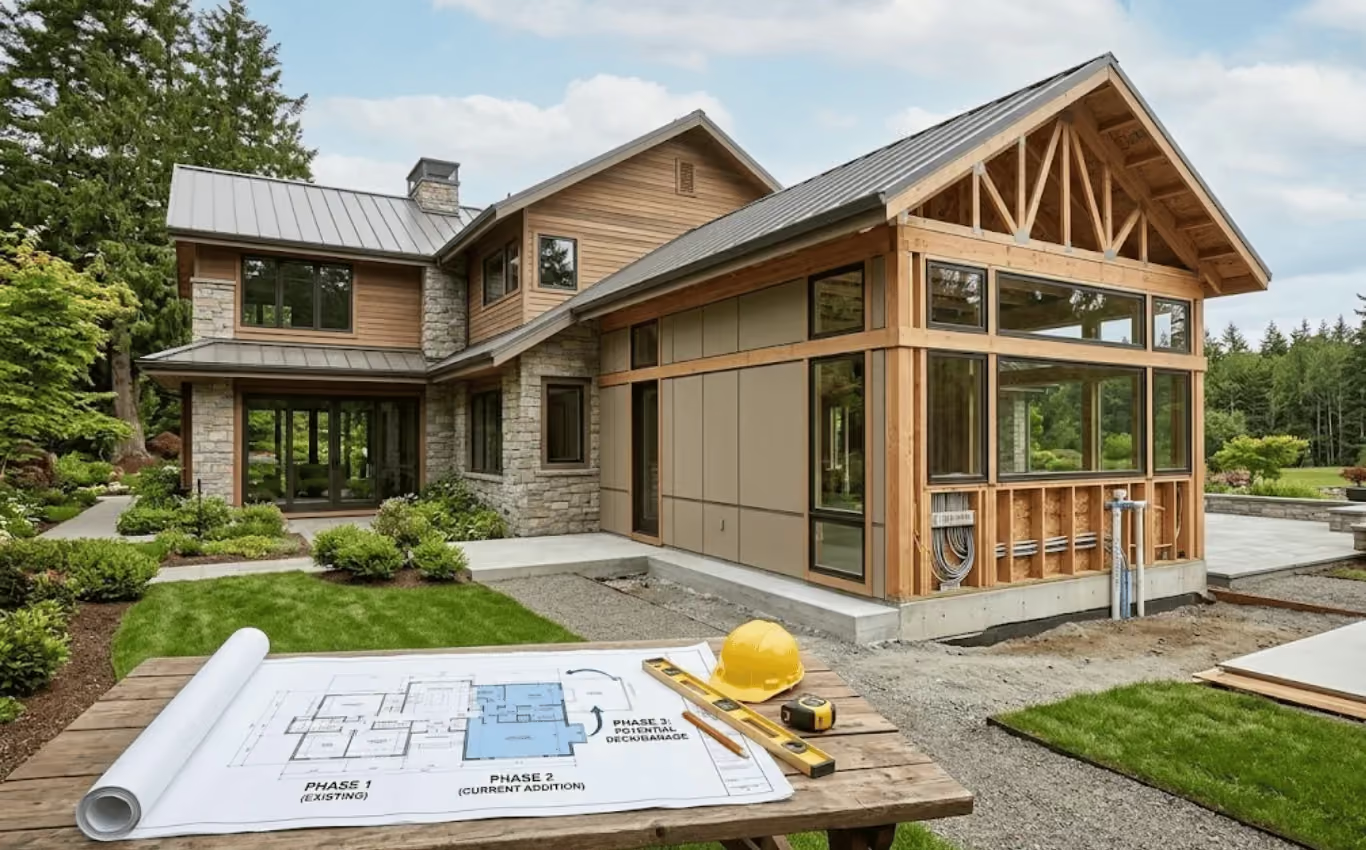
Even a perfectly designed home may eventually require additional space or functionality. Planning ahead makes future expansions much easier.
Homeowners often underestimate how their needs may change over time. Building with potential expansion opportunities allows future projects to integrate seamlessly with the original design.
This is where Custom Home Additions can become a valuable long-term strategy.
Modern homes rely heavily on technology. Preparing the home's infrastructure during construction makes future upgrades much easier and more cost-effective.
This includes:
Forward-thinking infrastructure helps avoid expensive retrofits later.
Every lot offers unique opportunities. Future-proofing includes considering how outdoor spaces, garages, guest accommodations, and recreational areas may evolve over time.
Strategic planning helps homeowners fully utilize their investment.
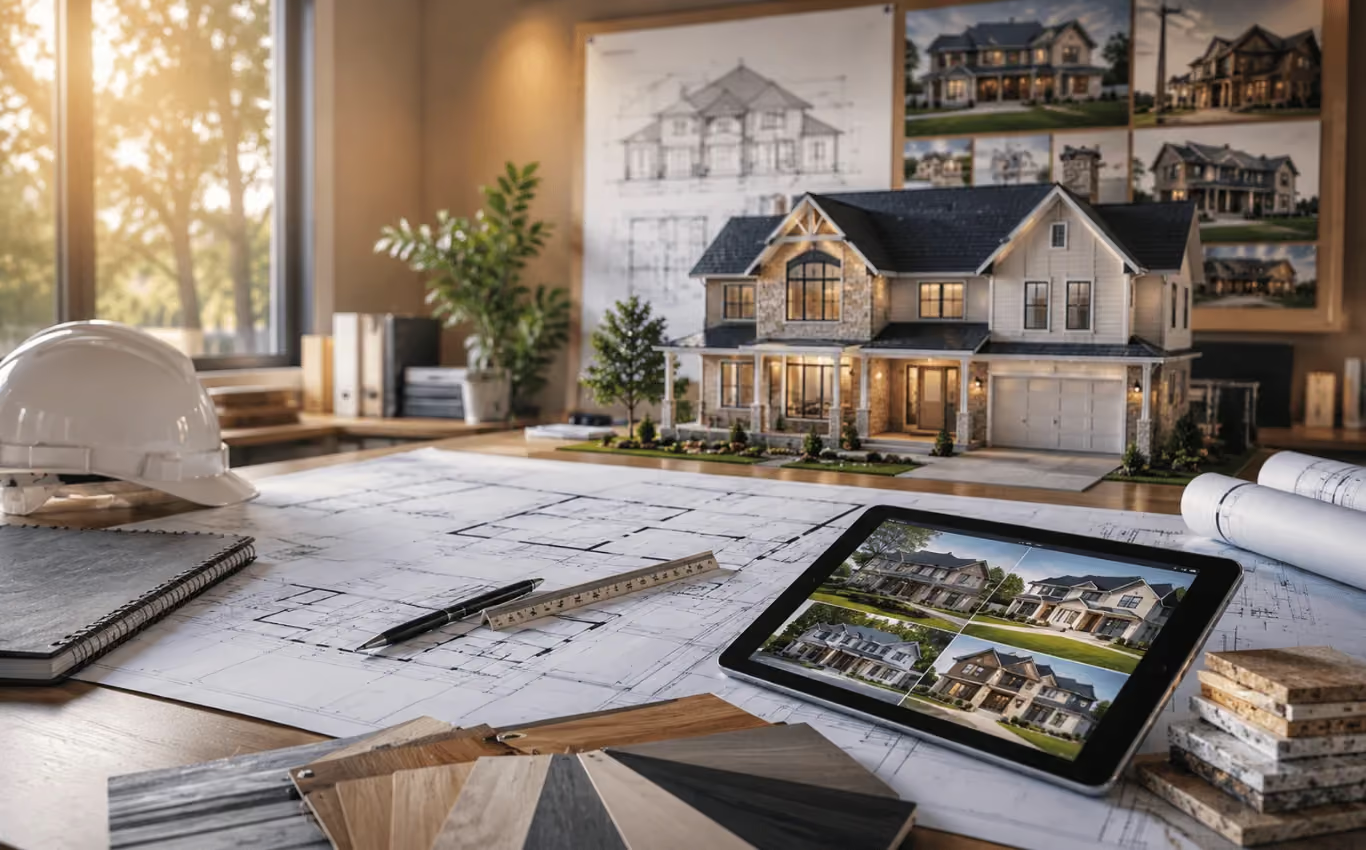
Future-proofing requires more than good ideas. It requires skilled professionals who understand how to translate long-term goals into practical construction decisions.
The best future-proofed homes begin with detailed planning. Builders, designers, and homeowners should work together to evaluate both immediate needs and long-term objectives before construction begins.
Building for the future starts with strong fundamentals. Experienced professionals specializing in New Home Construction understand how to create homes that remain functional, efficient, and durable for decades.
Looking at successful projects can provide valuable insight into what works over the long term.
Reviewing completed projects helps homeowners better understand how future-focused design principles are applied in real-world builds.
Future-proofing a custom home is about making thoughtful decisions today that continue delivering value for years to come. From flexible layouts and durable materials to efficient systems and expansion planning, every choice contributes to the long-term success of the property.
In the Hamptons, where homes face unique environmental conditions and represent significant investments, building for the future is not just a smart strategy, it's an essential one. By working with experienced professionals and focusing on longevity from the beginning, homeowners can create spaces that remain beautiful, functional, and valuable for the next 30 years and beyond.