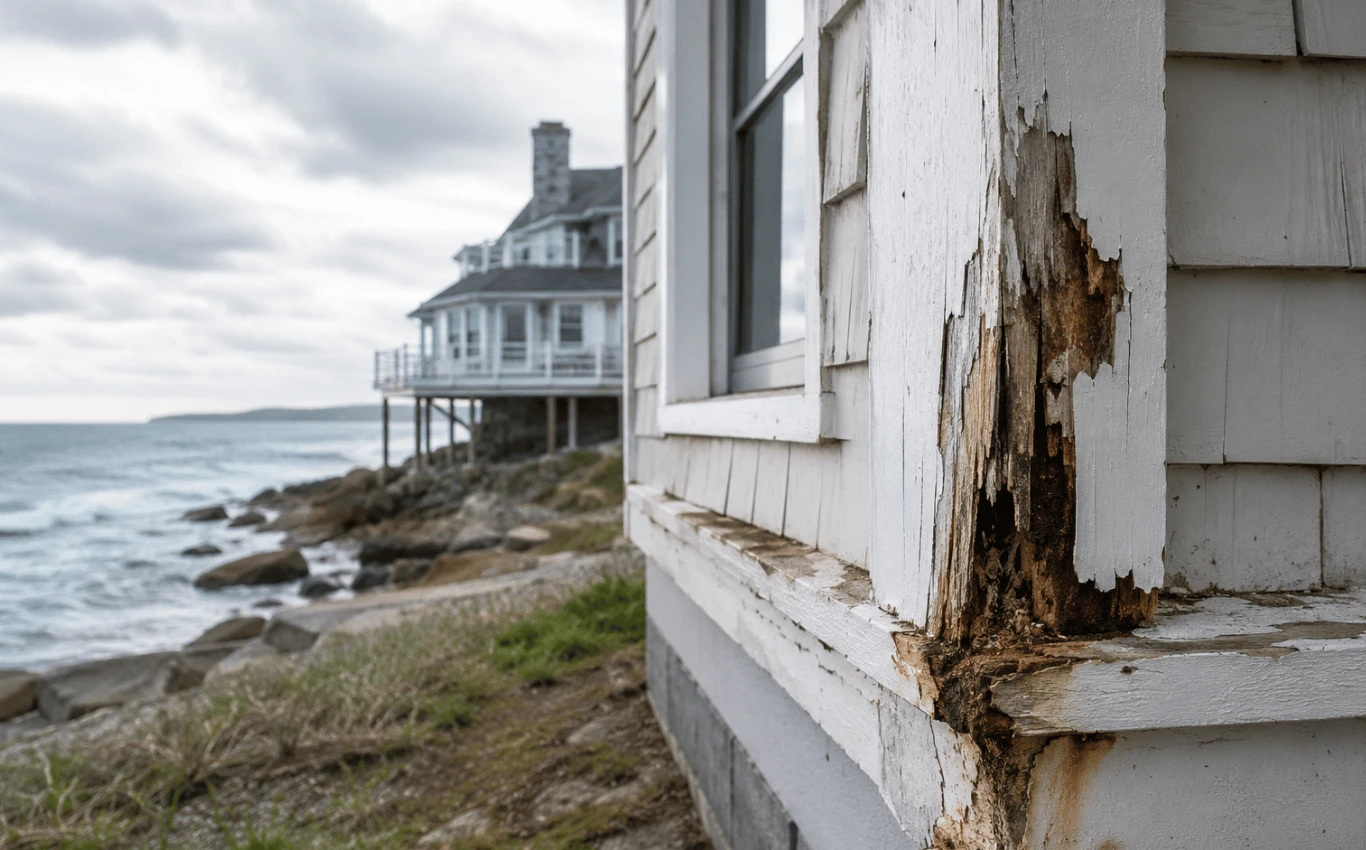


When homeowners imagine a new home or major construction project in the Hamptons, they naturally think about what they will eventually see: the architecture, interiors, landscaping, outdoor living spaces, and finished details. But some of the decisions that matter most happen beneath the surface. Soil conditions, excavation, drainage, septic planning, and existing structural problems can influence everything that gets built above them. Professional Structural & Site Work helps address these conditions early, creating a stronger starting point for the entire project and reducing the risk of costly surprises later.
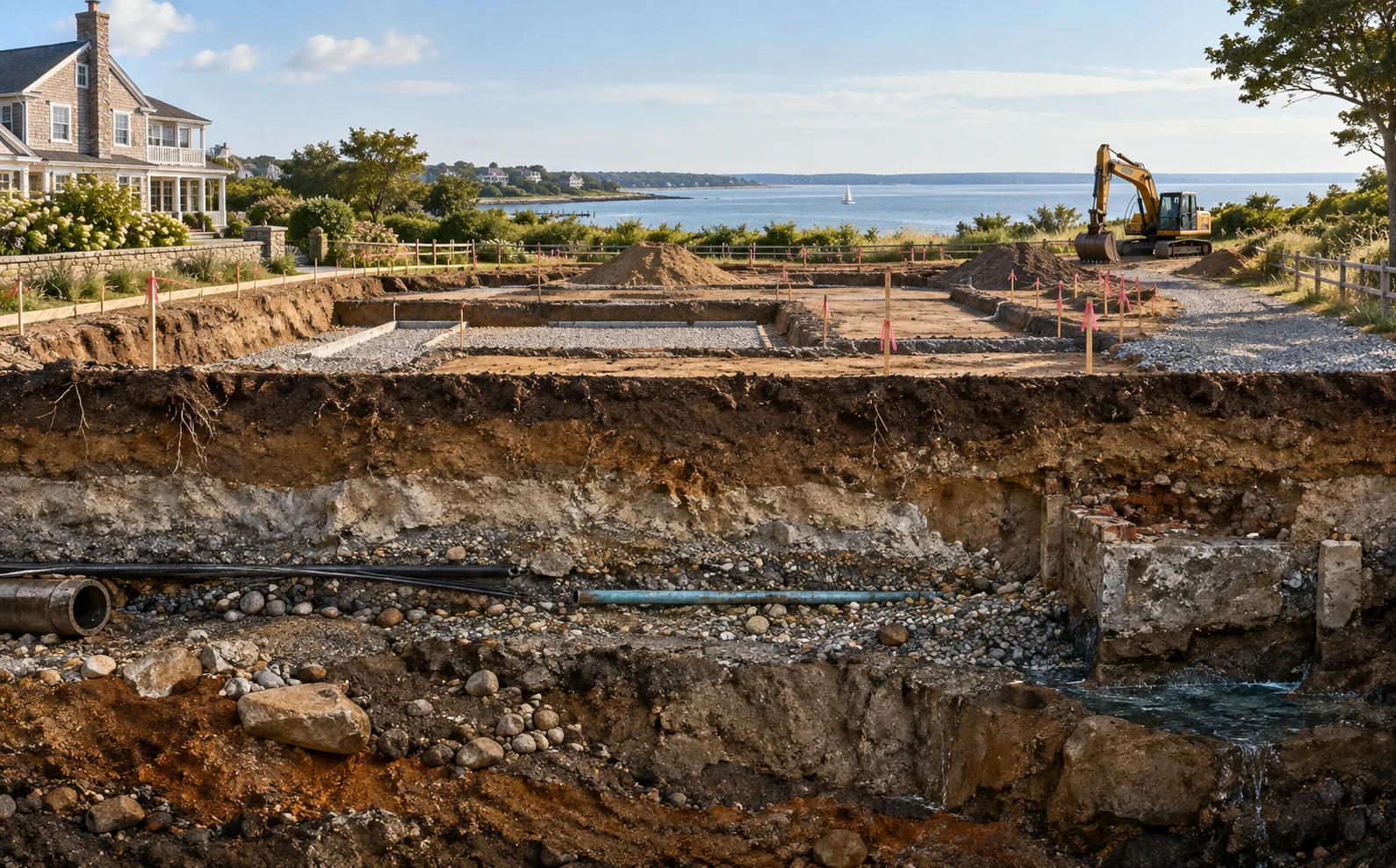
Every property has its own conditions, and those conditions can influence what can be built, where it can be positioned, and how the site should be prepared. Treating the ground as an afterthought can create challenges that follow a project long after construction is complete.
Two properties located only a short distance apart can present very different construction challenges. Soil composition, elevation, existing drainage patterns, previous construction, vegetation, and underground infrastructure can all affect site preparation.
Understanding these conditions early allows the construction team to plan around the realities of the property instead of discovering them after major work has already started.
The goal is not simply to clear the site and begin building. It is to understand what the property requires so that everything that follows has the right support.
From the outside, excavation can appear straightforward. In reality, removing and relocating soil must coordinate with the foundation, drainage, utilities, septic infrastructure, access, grading, and the final elevation of the property.
Poorly coordinated excavation can create unnecessary complications later.
Thoughtful site preparation considers:
This is why excavation should be treated as part of the overall construction strategy rather than an isolated early-stage task.
Some site conditions are difficult to fully understand until work begins. Previous foundations, unsuitable material, buried debris, unexpected moisture, or other existing conditions may require the construction strategy to adapt.
Finding a problem early is usually far better than discovering its consequences after the foundation, landscaping, or finished spaces are already in place.
A well-managed project leaves room to respond intelligently when the property reveals something unexpected.
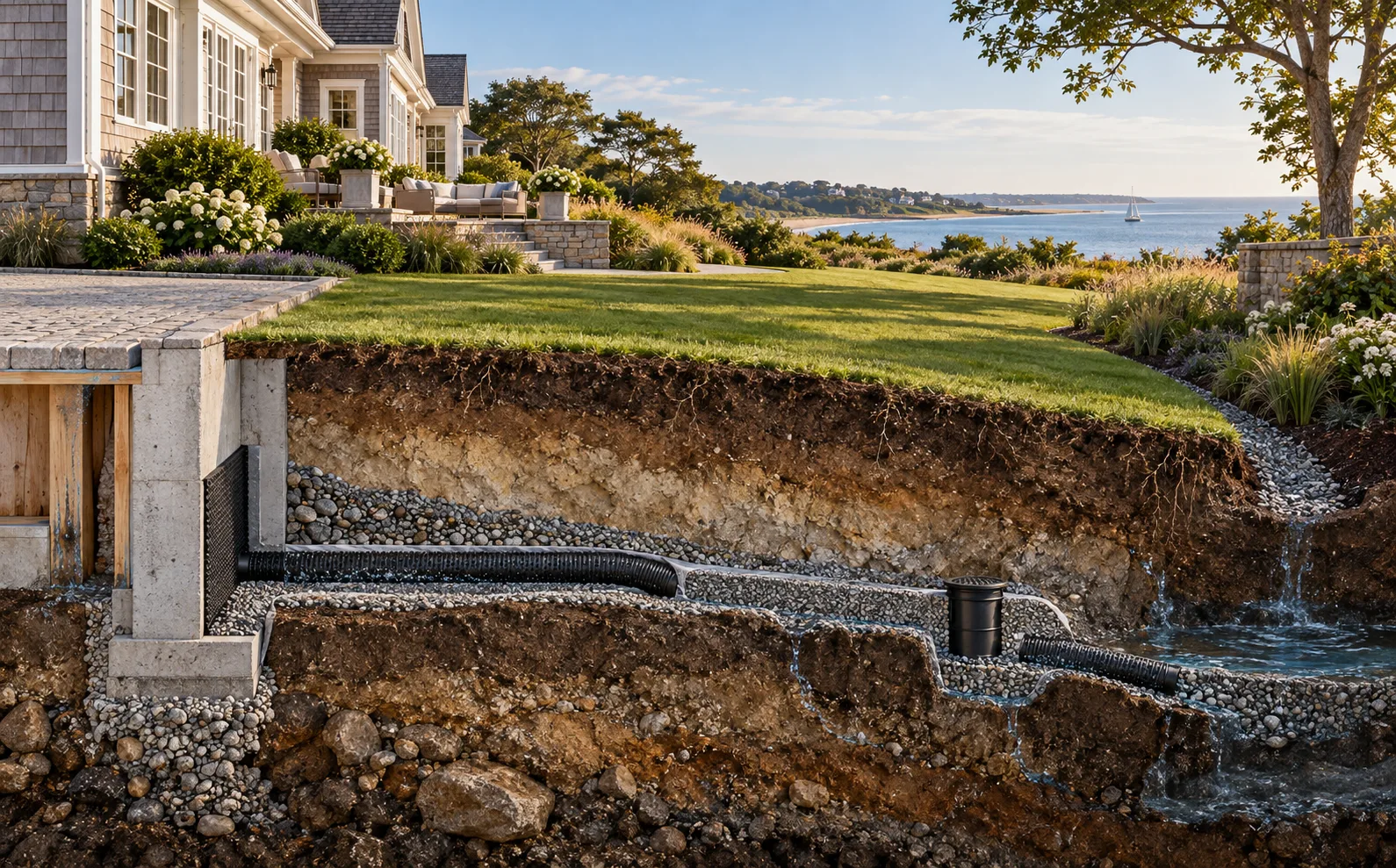
Water is one of the most important factors affecting the long-term performance of a property. In a coastal environment like the Hamptons, planning how water moves around and beneath a home should happen well before the finished landscape is installed.
Rainwater does not disappear when it reaches the ground. It follows slopes, collects in low areas, moves through soil, and can find its way toward foundations and other vulnerable parts of a property.
Proper site planning considers how water will behave after construction changes the existing landscape.
The location of the house, driveway, patios, landscaping, and other features can all influence drainage. Addressing those relationships early can help reduce standing water, erosion, and unwanted moisture near the structure.
Water problems do not always begin with dramatic flooding. Persistent moisture can gradually affect wood, framing, and other building components.
When deterioration is discovered in an existing structure, Structural Wood Rot Restoration can address compromised areas before additional construction conceals or builds around them.
Early attention matters because structural moisture damage can spread beyond the area where the first visible symptoms appear.
Some of the best site work is almost invisible after a project is finished. Proper grading is a good example.
When elevations are carefully planned, the property can direct water away from critical areas while still looking natural within the finished landscape.
Effective water management may involve:
Homeowners may rarely think about these features once construction is complete, but they can play an important role in how the property performs year after year.
.webp)
A property is more than the home visible from the street. Important infrastructure may need to occupy significant areas beneath the landscape, and those systems can influence how the entire site is organized.
For properties that depend on septic systems, planning should not be left until the home design is essentially complete.
The location and requirements of underground systems can influence where structures and other property features can be placed. Thinking about them early allows site planning and home design to develop together instead of competing for the same space later.
Professional Excavation & Septic Installation brings these underground considerations into the broader construction process.
The house, septic system, driveway, utilities, drainage, landscaping, pool, accessory structures, and outdoor spaces all share the same property.
Planning each component independently can create conflicts.
A more coordinated approach looks at how everything fits together before major construction begins. This can help establish:
The result is a site that feels intentional when finished because the infrastructure behind it was considered from the beginning.
Some projects begin on properties with existing structures that no longer support the owner's plans. Before a new project can move forward, those structures may need to be carefully removed.
Professional Residential & Commercial Demolition can clear the way for the next phase while revealing existing foundations, site conditions, and other factors that may influence future construction.
Demolition is not simply the end of an old structure. In many projects, it establishes the true starting point for what comes next.
The purpose of careful underground planning is not simply to avoid problems. It can also create more confidence and flexibility when developing everything homeowners will eventually see and use.
When excavation, drainage, grading, underground infrastructure, and existing structural conditions are properly coordinated, the rest of the project can move forward from a more informed position.
Design and construction decisions no longer need to compensate for preventable site problems.
Instead, attention can remain focused on creating the home and property the owner originally envisioned.
Changes become increasingly complicated once construction progresses.
Moving underground infrastructure, correcting drainage after landscaping is installed, addressing hidden deterioration after finishes are complete, or modifying site elevations late in a project can affect multiple areas at once.
Investing time in the early stages can help reduce:
The value of good site work often becomes most apparent in the problems homeowners never have to experience.
A completed Hamptons property may look effortless. The home sits naturally on the land, water moves where it should, outdoor spaces connect smoothly, landscaping feels intentional, and underground systems remain largely out of sight.
Achieving that simplicity can require significant planning beneath the surface.
That is what makes professional Structural & Site Work so important. It creates the unseen framework that allows the visible parts of a project to perform as intended.
What happens underground does not stay underground. Excavation decisions can influence foundations. Drainage can affect structural longevity. Septic requirements can shape site planning, and hidden deterioration can change what needs to happen before new construction moves forward.
For Hamptons homeowners planning a major project, understanding the site early can prevent underground conditions from becoming above-ground problems later. When excavation, drainage, structural preparation, demolition, and septic infrastructure are considered as parts of one coordinated strategy, the finished property has a stronger foundation for long-term performance.
The most impressive part of a completed home may be what everyone sees, but some of the most important work is the work that eventually disappears.