

A beautiful Hamptons home often has something that cannot simply be recreated with new finishes. It may be the proportions of the rooms, original woodwork, natural materials, traditional exterior details, or simply the way the property has developed its own character over time. Renovation should improve how a home functions without automatically replacing everything that gives it personality. The goal of thoughtful Renovations & Interior Work is to understand what deserves to remain, what needs to evolve, and where new craftsmanship can complement the home's existing architecture. With the right approach, homeowners can gain the comfort and functionality they want while preserving the qualities that made them love the property in the first place.

Before deciding what to remove, it is important to understand what makes the existing home distinctive. In the Hamptons, that character may come from architectural details, materials, proportions, or the relationship between the house and its surroundings. Identifying those qualities early can guide the entire renovation.
Age alone does not determine whether something should stay or go. An older staircase, fireplace surround, built-in cabinet, ceiling detail, or piece of trim may contribute significantly to the home's personality even if it needs repair or updating.
Instead of beginning with a demolition mindset, homeowners can evaluate existing elements based on their condition, craftsmanship, architectural importance, and potential role in the renovated space.
Some features may need to be replaced, but others can become anchors around which the new design develops.
Certain architectural elements can give a home a sense of identity that would be difficult to reproduce after they are removed.
Depending on the property, these might include:
Preserving everything is not the objective. The goal is to recognize the features that contribute meaningfully to the home and allow them to influence the renovation.
For homeowners still preparing for a project, Before You Renovate: What Every Southampton Homeowner Should Know can also help establish important priorities before major decisions are made.
New elements should feel connected to the home rather than appearing as though they belong to an entirely different property.
Door proportions, trim profiles, ceiling heights, flooring transitions, hardware, cabinetry, and materials can all reference existing architectural cues without copying them exactly.
This creates a renovation that feels intentional. The home can become noticeably more comfortable and current while still feeling recognizably like the same property.
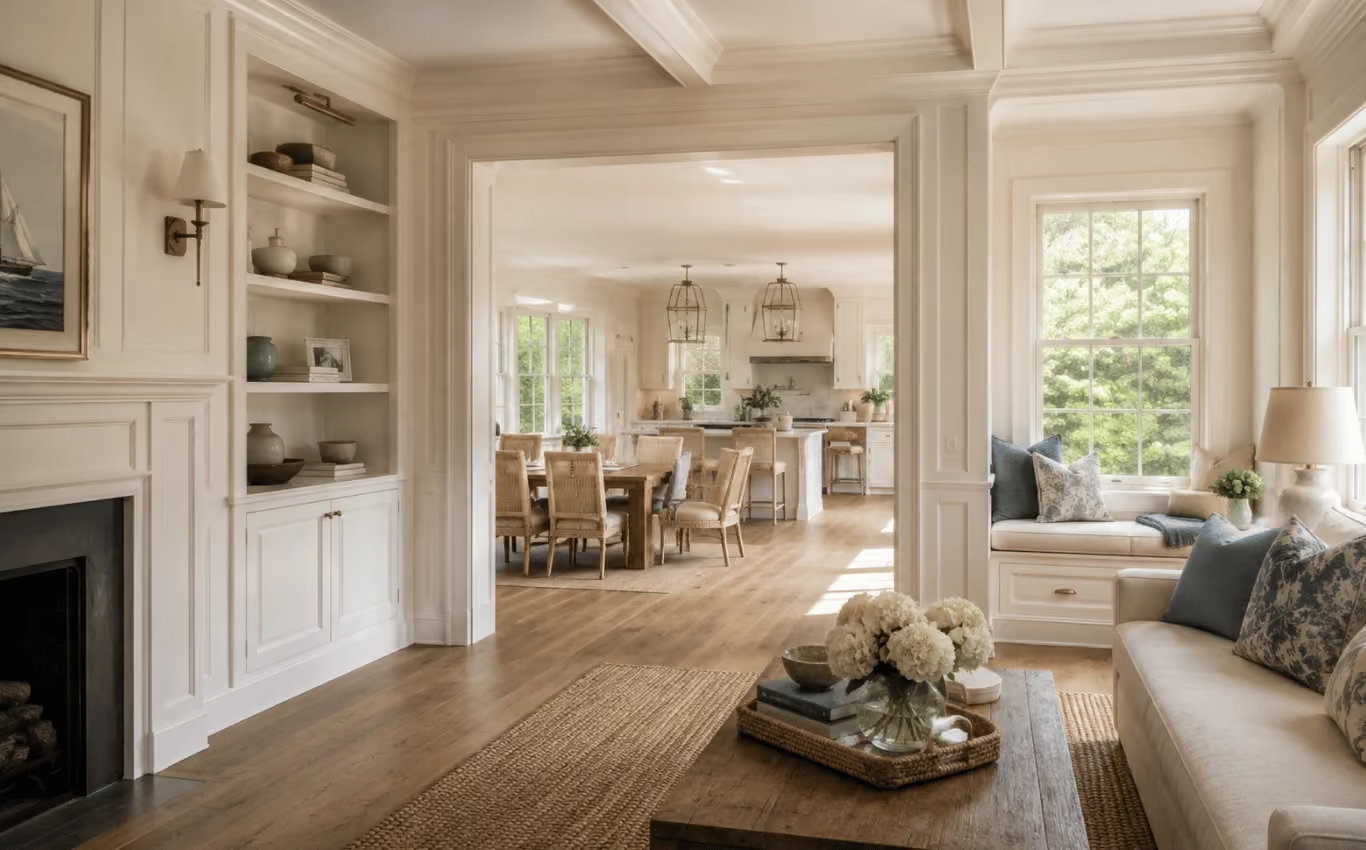
Preserving character does not mean preserving every limitation of an older floor plan. Many Hamptons homes were designed for lifestyles very different from how homeowners use their properties today. A successful renovation finds opportunities to improve functionality without unnecessarily removing architectural personality.
Open-concept design can be valuable, but completely removing interior divisions is not always the best solution.
Sometimes widening an opening, improving the connection between two rooms, repositioning a doorway, or creating a stronger visual relationship can dramatically improve circulation while retaining the home's sense of structure.
The objective should be better flow, not openness for its own sake.
Before adding square footage, consider whether existing rooms could perform better.
An underused formal room might become a flexible entertaining space. An awkward hallway could incorporate storage. A poorly configured kitchen could gain better circulation without expanding its footprint.
Thoughtful renovation can improve:
These changes allow the home to support a contemporary lifestyle while respecting its original scale.
One of the best ways to introduce new functionality without disrupting the home's character is through Millwork & Custom Builds.
Built-in shelving, window seating, cabinetry, storage walls, bars, libraries, and other custom features can be designed specifically for the architecture surrounding them.
Instead of looking like furniture added after the renovation, carefully designed millwork can become part of the architecture itself. This is particularly effective in character-rich homes where generic cabinetry or mass-produced components may feel disconnected from the rest of the property.
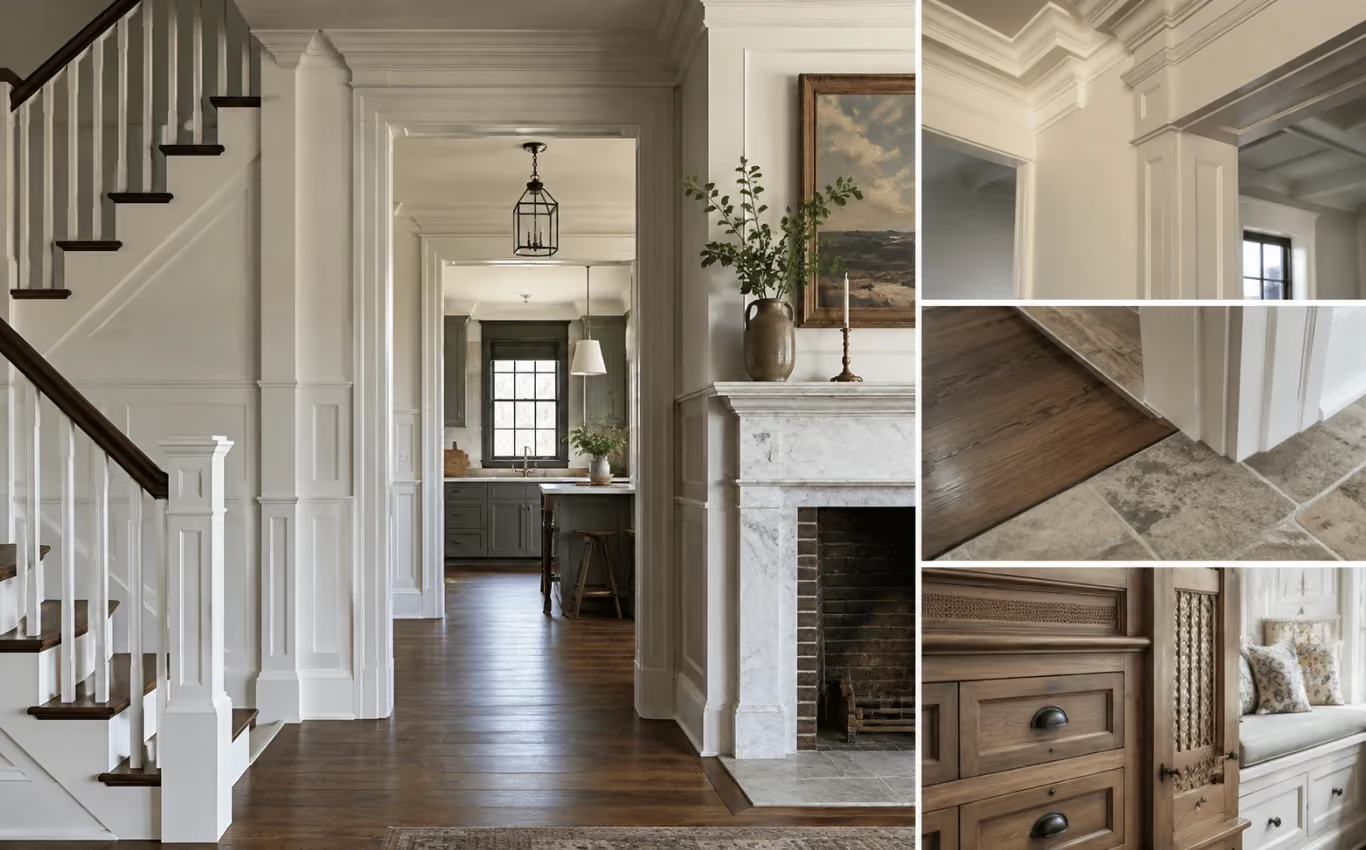
The difference between a renovation that feels integrated and one that feels obviously added later often comes down to detailing. Materials and craftsmanship can create visual continuity between existing architecture and new construction.
Trim may seem like a small component of a large renovation, but it influences how rooms relate to one another.
Door casings, baseboards, crown details, wall paneling, stair components, and transitions can establish a consistent architectural language throughout the home.
Professional Finish Carpentry can help new areas feel connected to older portions of the property rather than making the renovation appear divided into "before" and "after."
New materials do not always need to perfectly replicate old ones.
Trying too hard to artificially age new construction can sometimes make the renovation feel less authentic. Instead, homeowners can choose materials that share similar warmth, texture, scale, or craftsmanship with the existing property.
Natural stone, wood, quality hardware, carefully selected flooring, and well-proportioned cabinetry can create continuity while still allowing the renovation to feel fresh.
Some homes contain features that deserve more than cosmetic updating. Damaged architectural details, aging woodwork, and historically important elements may benefit from careful restoration rather than replacement.
Professional Custom Renovations & Restorations can help determine how existing features can be repaired, integrated, or thoughtfully recreated where necessary.
The strongest approach usually balances three ideas:
That balance allows history and modern living to exist comfortably within the same property.
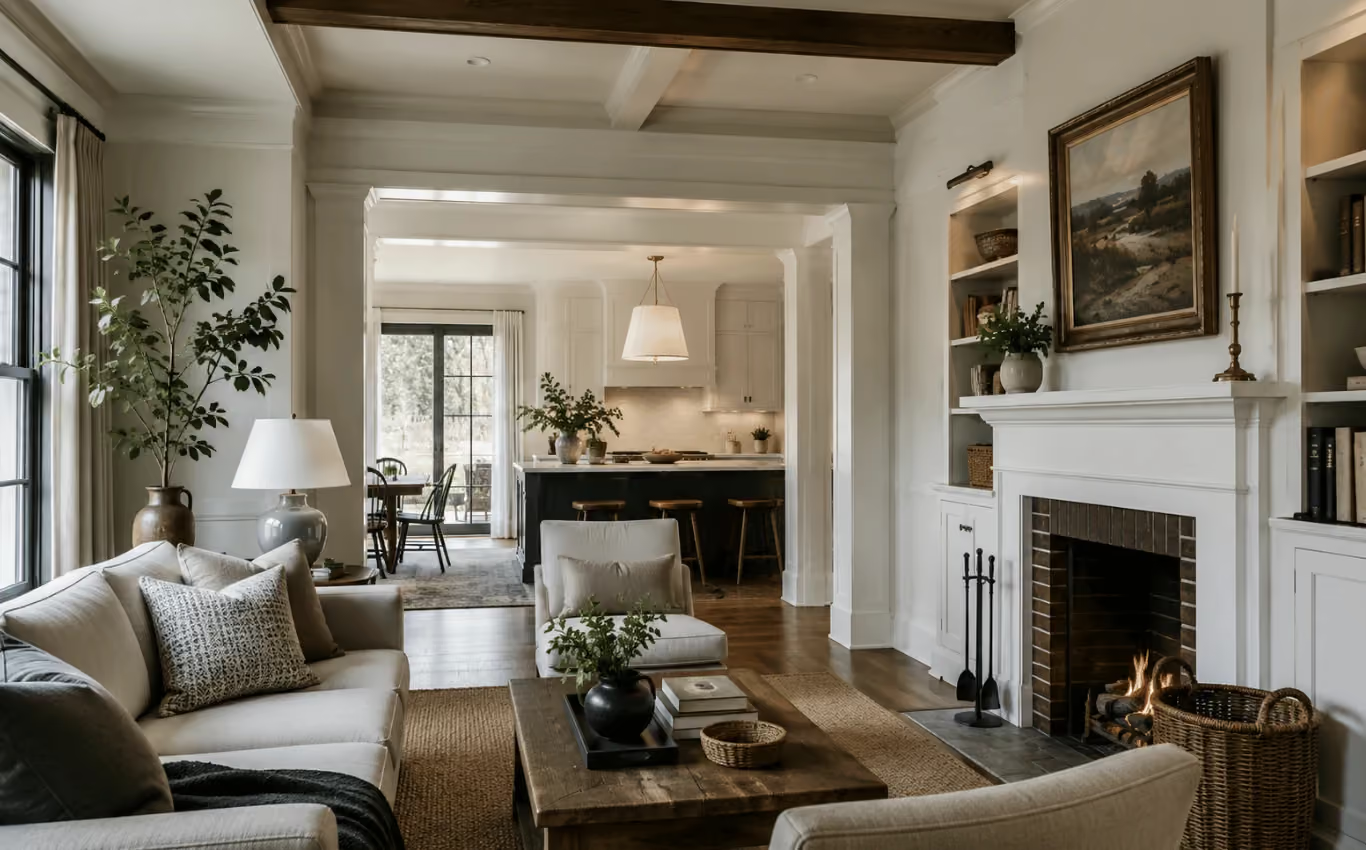
The best renovation should not leave homeowners feeling as though they moved into a completely unrelated house. It should solve problems, introduce comfort, and improve functionality while maintaining a connection to what made the property appealing in the first place.
Renovation trends can provide inspiration, but they should not determine every decision.
A finish or layout that dominates social media today may feel dated long before the home's original architectural qualities would have. Instead, use trends selectively and prioritize decisions that suit the property itself.
Homes with a clear architectural identity generally age more gracefully than homes repeatedly redesigned around whatever style happens to be popular at the moment.
Hamptons homes are increasingly expected to support more than a few summer weekends. Renovation decisions should consider how spaces perform during quieter fall evenings, winter stays, spring gatherings, and the busiest days of summer.
If timing is part of your renovation strategy, The Hidden Benefits of Renovating Before Summer in the Hamptons explores how planning ahead can help homeowners prepare their spaces before peak seasonal use.
A renovation that works throughout the year is more likely to remain useful as the homeowner's lifestyle evolves.
A successful renovation does not need to disguise the fact that a home has evolved.
New spaces can be brighter. Kitchens can function better. Storage can become smarter. Bathrooms can become more comfortable. Layouts can adapt to entertaining and modern family life.
What matters is that those improvements feel connected to the home's identity.
When Renovations & Interior Work, custom millwork, restoration, and detailed carpentry are considered together, the finished property can feel updated without feeling erased. It becomes the next chapter of the same home rather than an entirely different story.
Renovating a Hamptons home should not automatically mean removing everything old and replacing it with something new. Some of the most memorable properties are successful precisely because they retain architectural details, materials, proportions, and character that give them a sense of place. The challenge is knowing what deserves to remain and where thoughtful changes can improve everyday living.
By preserving meaningful features, improving functionality, incorporating custom craftsmanship, and making new work feel connected to the existing architecture, homeowners can create a property that feels fresh without losing its identity. The result is not simply a renovated home, but a more functional and comfortable version of the home that was already worth preserving.