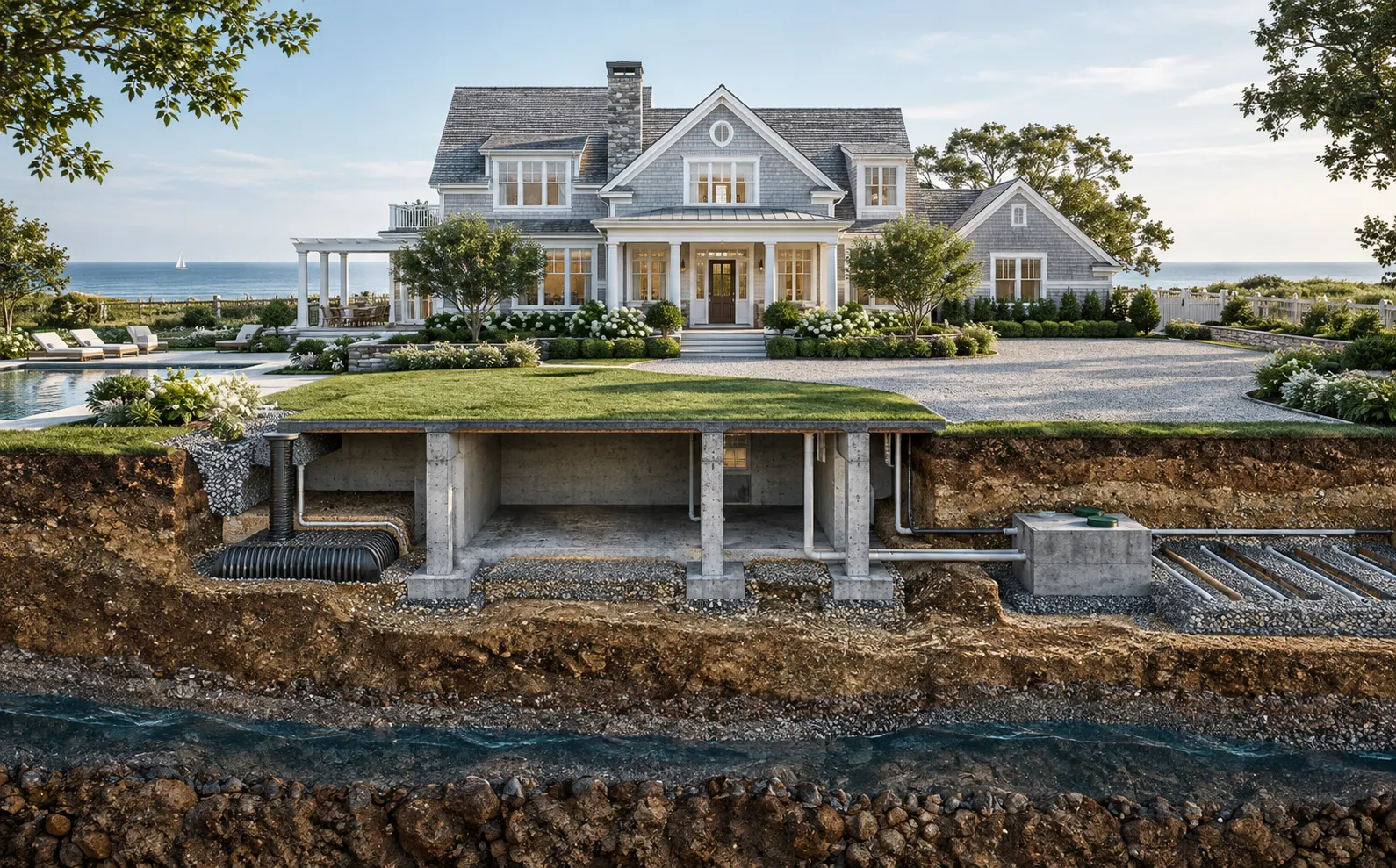


Leaving a Hamptons home at the end of the season involves more than locking the doors, covering the outdoor furniture, and turning down the thermostat. A property that will sit partially or completely unoccupied for weeks or months needs to be prepared for changing temperatures, storms, moisture, plumbing issues, and the small maintenance problems that can develop when no one is there to notice them.
A thoughtful Seasonal Spring & Fall Prep routine can help homeowners identify vulnerable areas before leaving, prepare important systems for the months ahead, and reduce the chance of returning to an unexpected problem. For seasonal homeowners in the Hamptons, what happens before you leave can be just as important as what happens while you are there.
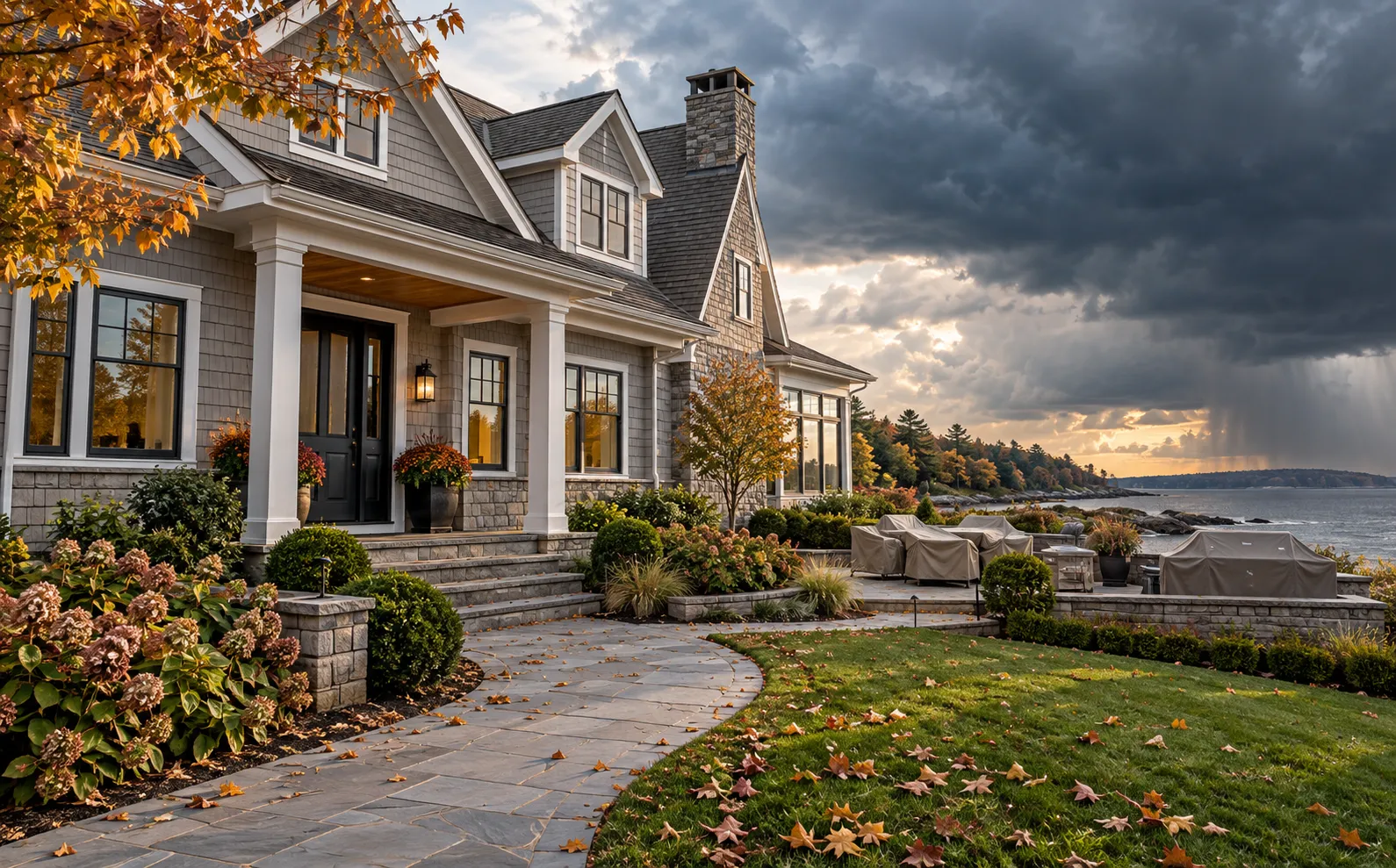
The exterior will continue facing the elements long after you leave. Wind, rain, falling debris, freezing temperatures, and coastal conditions can all affect a property while it is unoccupied. A careful exterior review is one of the most important places to begin.
A loose piece of trim, damaged siding, deteriorated sealant, or minor moisture issue may not seem urgent during a final weekend at the house.
After months of exposure, however, the same issue may look very different.
Before leaving for the season, homeowners should look for signs of deterioration around exterior surfaces, windows, doors, trim, and other vulnerable areas. Addressing a manageable repair before prolonged exposure can be much easier than dealing with the damage after another season of weather.
The goal is not simply to make the home look ready to close. It is to identify anything that could become more serious while the property is unattended.
Water management becomes especially important when homeowners are not regularly visiting the property.
Gutters, downspouts, drains, and grading all contribute to how rainwater moves around the home. Leaves and seasonal debris can create blockages, while drainage problems can allow water to collect in places where it should not.
Before leaving, pay particular attention to:
Good drainage quietly protects a property in the background, which is exactly what homeowners need when they are away.
Outdoor spaces often receive heavy use throughout the summer, but they also require attention when the season ends.
Furniture, grills, outdoor kitchens, showers, irrigation components, recreational equipment, and other exterior features may need to be cleaned, protected, stored, or prepared for colder weather.
This is where professional Seasonal Spring & Fall Prep can make the transition from one season to another more organized. Rather than treating every outdoor element separately, the property can be prepared as a whole.
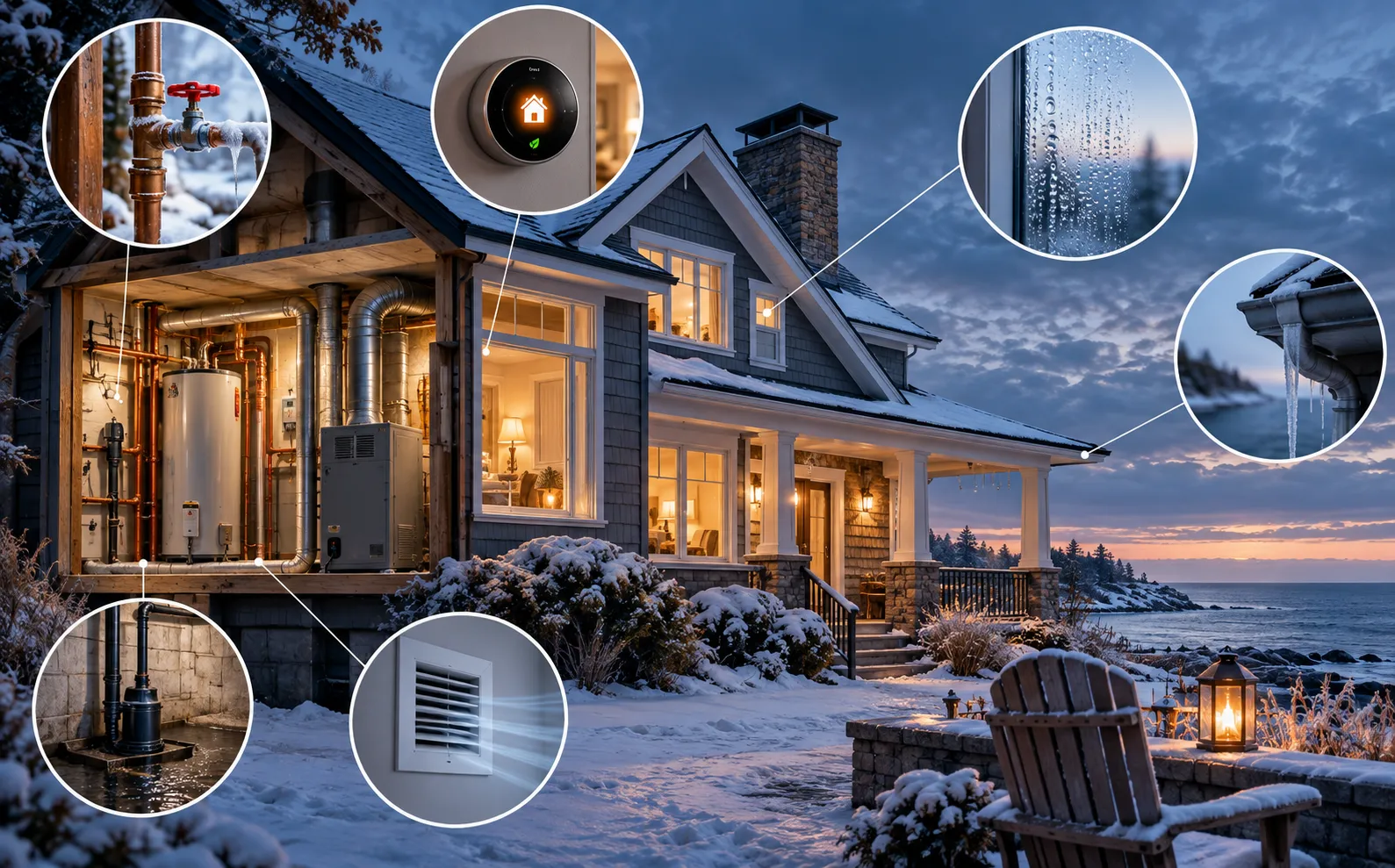
Some of the biggest concerns in a vacant or lightly occupied home are not immediately visible. Plumbing, heating, electrical systems, moisture levels, and other building systems continue to affect the property even when no one is living there.
Water inside a home can become a major concern when temperatures fall.
Plumbing preparation depends on how the property will be used during the off-season. A home that remains heated and regularly monitored may require a different approach from one that will remain largely vacant.
What matters is having a clear plan before temperatures drop.
Homeowners should understand which areas are vulnerable, whether exterior water sources need attention, and how the home's plumbing will be protected during prolonged periods of cold weather.
Heating systems are not only about personal comfort.
When a home is unoccupied during colder months, maintaining appropriate indoor conditions can help protect plumbing, finishes, materials, and other components of the property.
The system should be checked before the homeowner leaves rather than assuming it will continue operating perfectly throughout the winter.
For seasonal properties, reliability matters because a minor system failure can remain unnoticed much longer than it would in a primary residence.
Temperature receives much of the attention during seasonal preparation, but moisture can be just as important.
Humidity, leaks, condensation, and poor ventilation can affect interior materials even when the house appears secure from the outside.
This is especially relevant in coastal environments where moisture is already an ongoing consideration.
Homeowners should think about how the property will manage both temperature and humidity while it is vacant. A home that is closed up for months still needs to remain a stable environment inside.
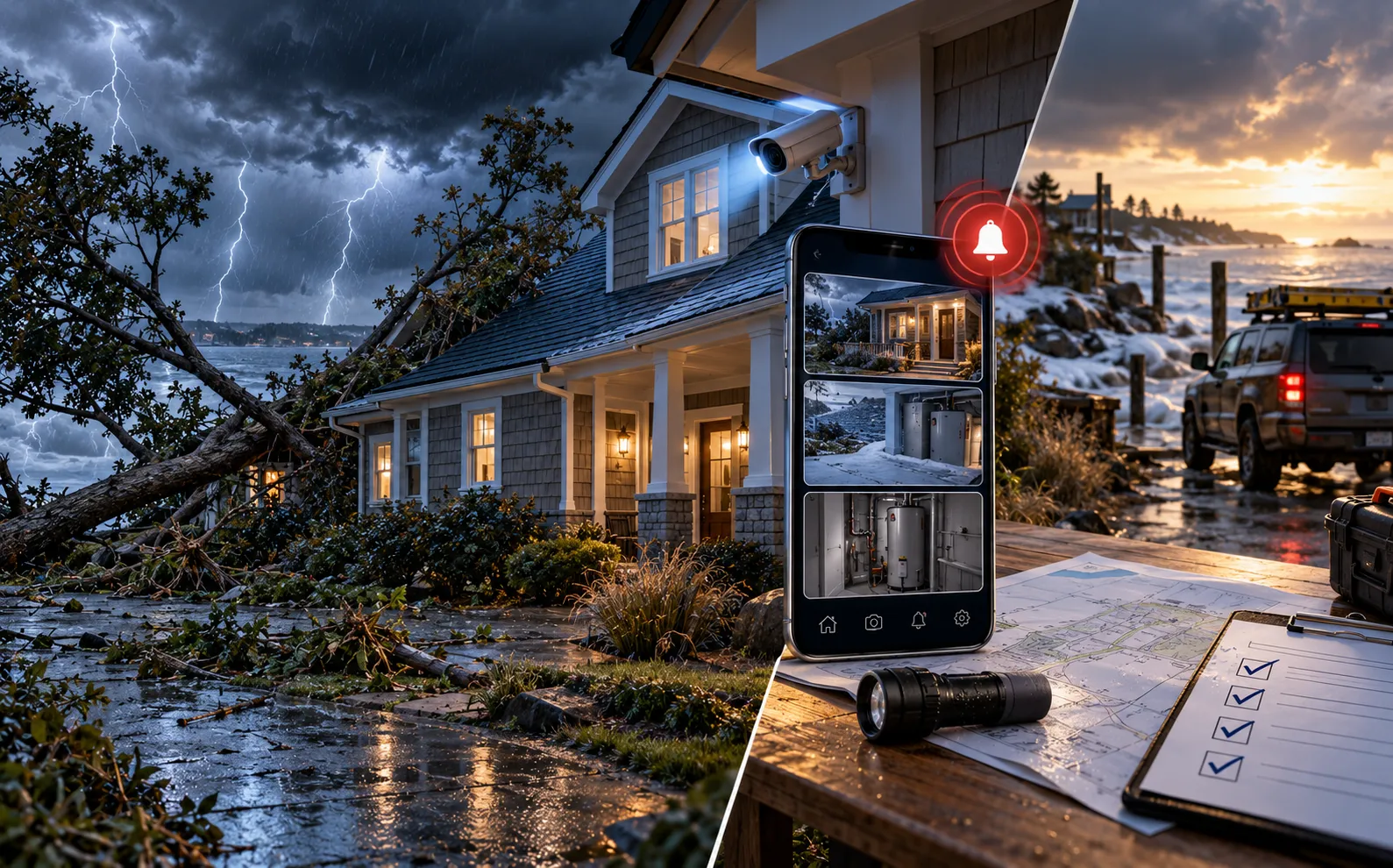
The most difficult part of owning a seasonal home is simple: problems do not wait until you return.
A storm can pass through. A branch can fall. A mechanical system can stop working. Water can appear where it should not. The longer a problem remains unnoticed, the more complicated it may become.
Before leaving, homeowners should know who will be responsible for checking the home.
That is particularly important for properties that will remain vacant for extended periods. Periodic inspections can help identify changes before they become larger problems.
Professional Property Management can provide another layer of oversight for homeowners who cannot regularly visit the property themselves.
Having someone familiar with the home and its normal condition makes it easier to recognize when something has changed.
The East End can experience significant weather throughout the year, and an empty property still needs attention after a major event.
Homeowners should consider what will happen if strong winds, heavy rain, freezing conditions, or another significant weather event affects the area.
A simple seasonal plan should answer questions such as:
Planning those answers before leaving can save valuable time if something happens later.
Not every issue can be prevented.
A pipe can fail, a storm can damage part of the property, or an unexpected condition can require immediate attention. In those situations, the speed of the response matters.
Access to Emergency Restoration can be particularly valuable for seasonal homeowners who may be hours away when a problem occurs.
The objective is not to assume something will go wrong. It is to make sure there is a clear response plan if it does.
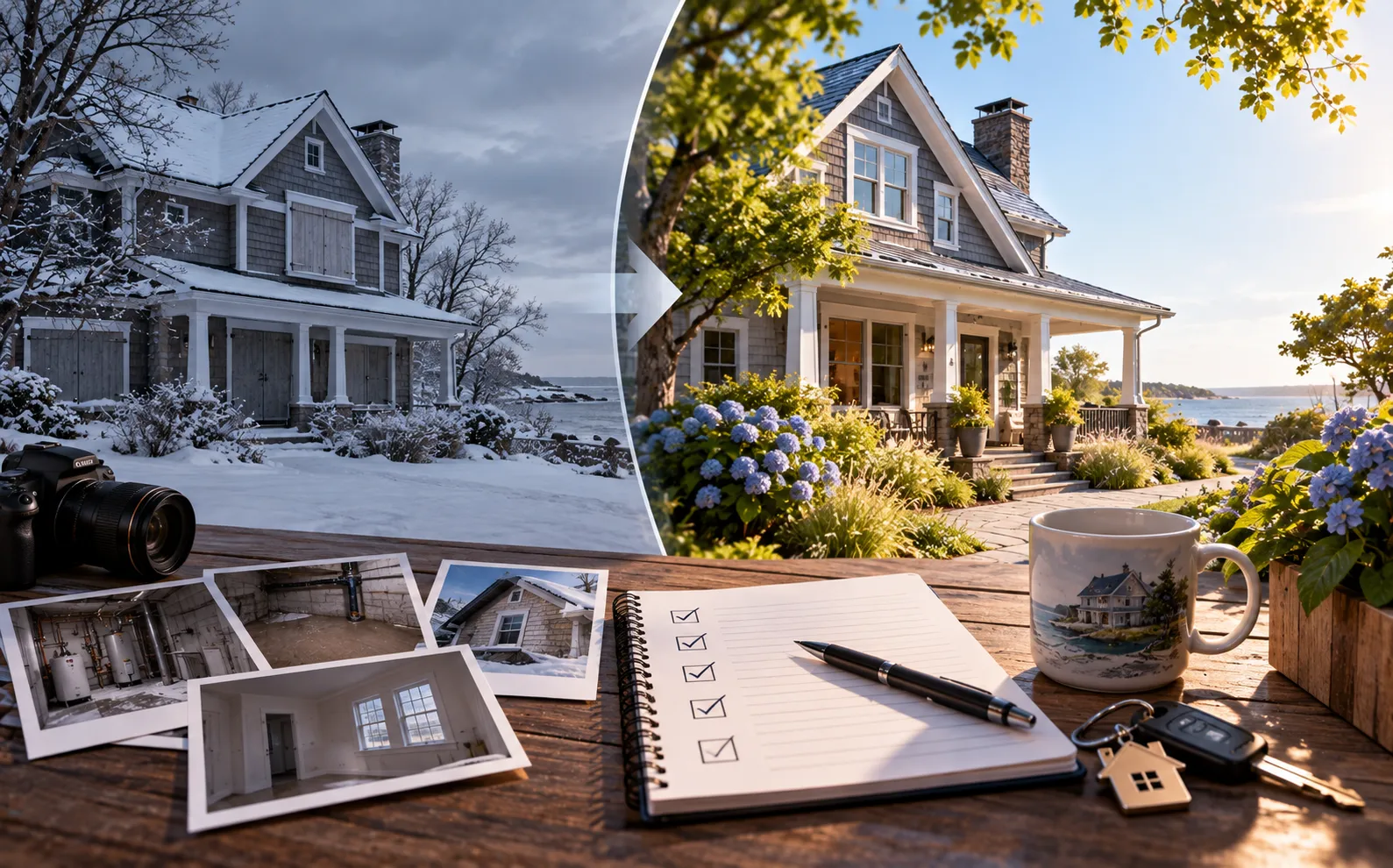
Good seasonal preparation is not only about closing a property. It should also make reopening the home easier.
A house that has been properly prepared, monitored, and maintained during the off-season should be much easier to bring back into everyday use when the homeowner returns.
Before leaving, it can be useful to walk through the property and document its condition.
Pay attention to areas that have required repairs in the past, exterior components exposed to weather, utility spaces, mechanical equipment, and any feature you want monitored while away.
This creates a useful reference point. If something changes during the off-season, it can be easier to identify when the home's previous condition is known.
Returning to the Hamptons should not begin with an unexpected repair list.
Scheduling inspections and preparation before the property is needed again can create time to address maintenance issues, restore outdoor spaces, and make sure important systems are operating correctly.
Maintenance & Ongoing Services can help homeowners approach property care as a continuous process rather than a series of last-minute repairs.
This is particularly useful for second homes, where long periods may pass between visits.
The most effective seasonal maintenance is not something homeowners reinvent every spring and fall.
Over time, a repeatable process can be developed around the property's specific needs. Some homes may require greater attention to drainage. Others may have extensive outdoor spaces, complex mechanical systems, mature landscaping, or areas that have historically been vulnerable to moisture.
A consistent routine can include:
This approach also connects with the broader principles discussed in Why Small Maintenance Problems Become Major Repairs Faster in Coastal Homes. When a property is exposed to coastal conditions and left unattended for extended periods, catching small issues early becomes even more important.
Leaving your Hamptons home for the season should come with confidence that the property is prepared for what happens next.
That means looking beyond locked doors and covered furniture. Exterior conditions, drainage, plumbing, heating, moisture, outdoor spaces, property monitoring, and emergency planning all deserve attention before an extended absence.
With thoughtful Seasonal Spring & Fall Prep and ongoing Property Management, homeowners can take a more proactive approach to protecting their property between visits.
The best seasonal preparation is often measured by what does not happen: no unexpected water damage, no overlooked exterior deterioration, no preventable winter problems, and fewer unpleasant surprises when it is finally time to return.